Masters of the Sky

What is a bird of prey?
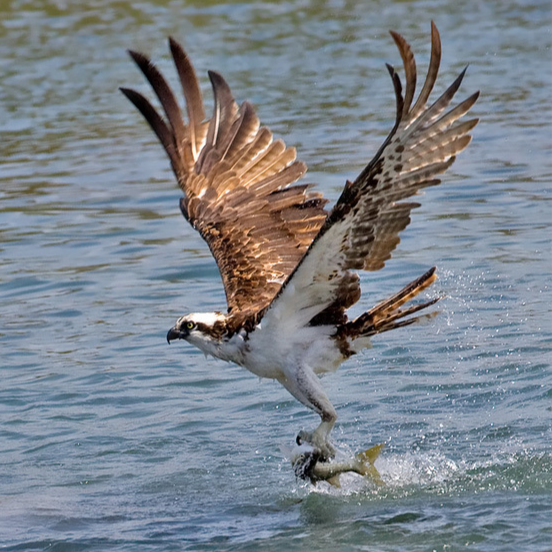
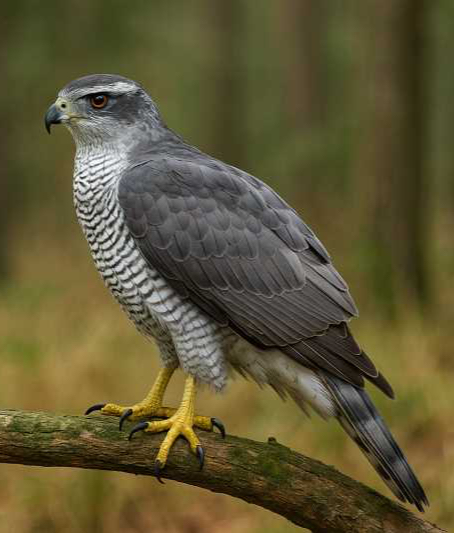
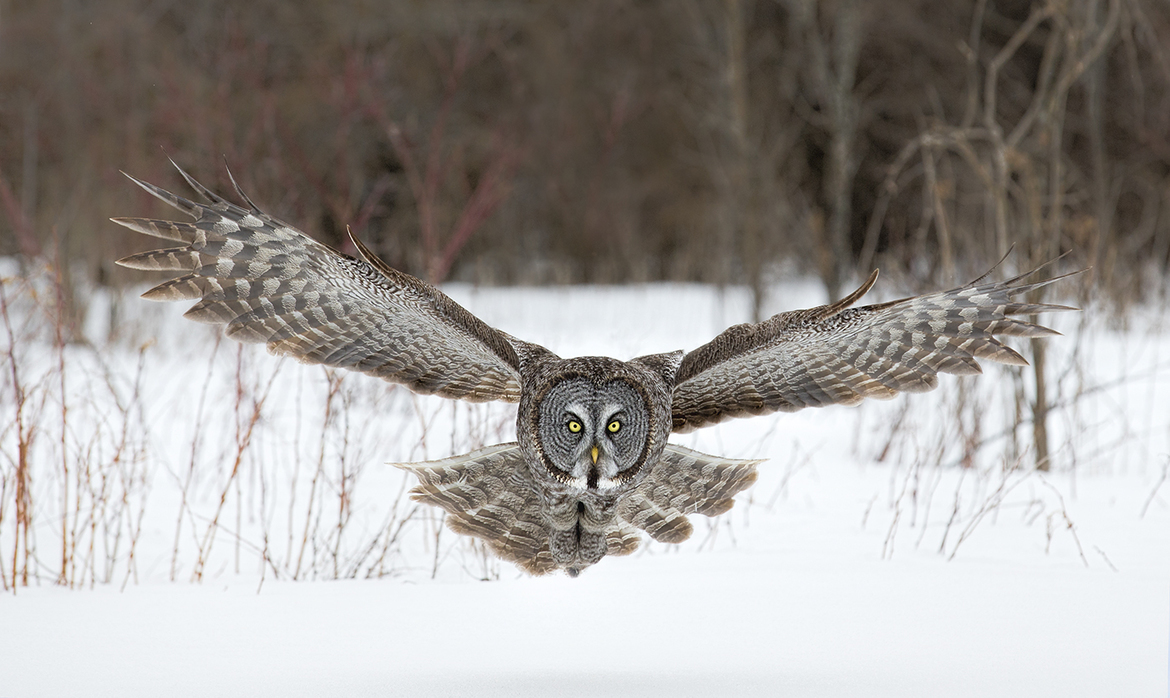
Birds of prey, also called raptors, are carnivorous birds that have strong taloned feet for grasping prey, hooked beaks and keen eyesight. They are active hunters and/or scavengers with diets varying from small mammals to other birds, fish, reptiles and even insects!
There are around 53 different species of raptors in North America, including eagles, hawks, vultures, owls, falcons, kites, harriers and osprey. And approximately 482 species throughout the world!
The most common raptor in the United States is the
Red-tailed Hawk (Buteo jamaicensis), which can be found in every state by Hawaii.
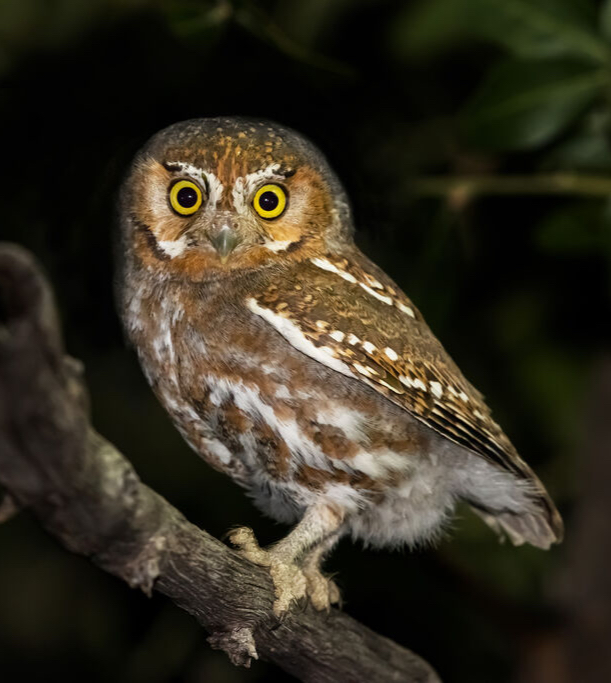
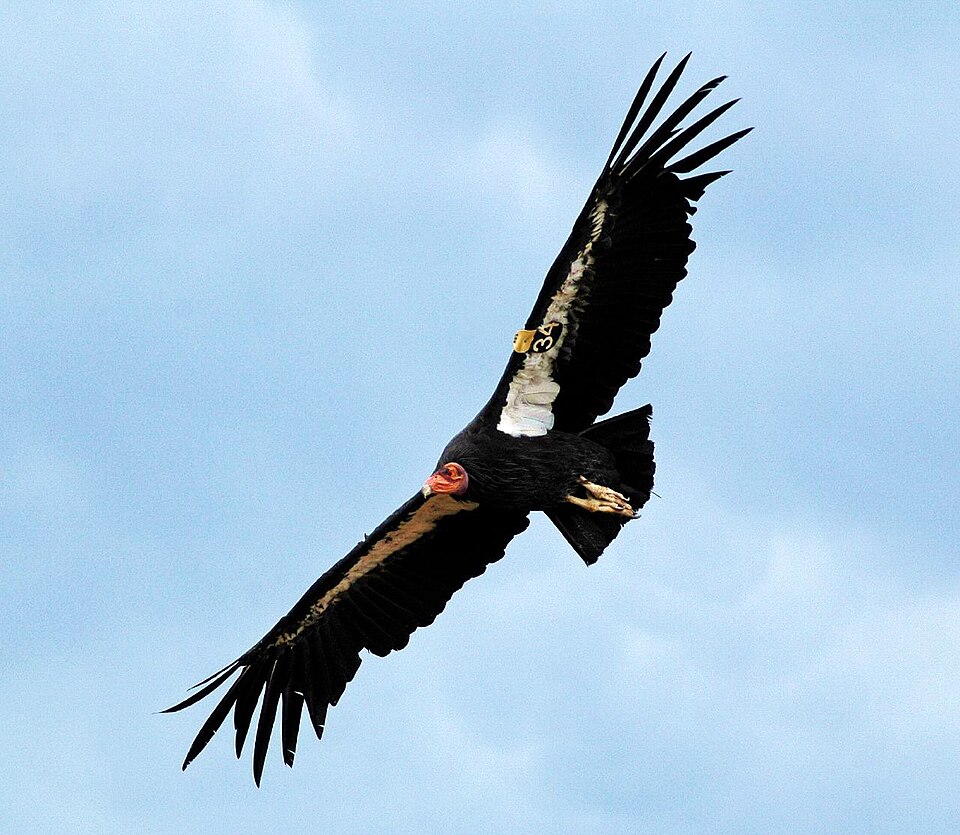
The USA is home to some impressive raptor species. The California Condor (Gymnogyps californianus) has one of the longest wingspans in the world, measuring almost 10ft! We also have the smallest species of owl, the Elf Owl (Micrathene whitneyi), which is only 5-6 inches long.
Birds of prey have made such a significant cultural impact in the Unites States, that the Bald Eagle (Haliaeetus leucocephalus is our nation's symbol!

Photo Credit: Lane Wintermute
Sentinel Species
As apex predators, raptors regulate prey populations, such as rodents, insects, and small mammals. Without them, prey explosions can lead to overgrazing and biodiversity loss. By preying on weaker or sick individuals, raptors promote healthier prey populations and genetic diversity. Vultures, as scavengers, clean up carcasses, preventing the spread of diseases like anthrax or botulism in wildlife and livestock.
Birds of prey are sensitive to environmental changes. Their decline can indicate broader issues like pollution or habitat degradation. They can also signal human health concerns, such as increases in Avian Influenza within a region.
Healthy raptor populations also support ecotourism (e.g., birdwatching generates billions annually) and are a natural pest control, helping the agricultural industry save on costs.
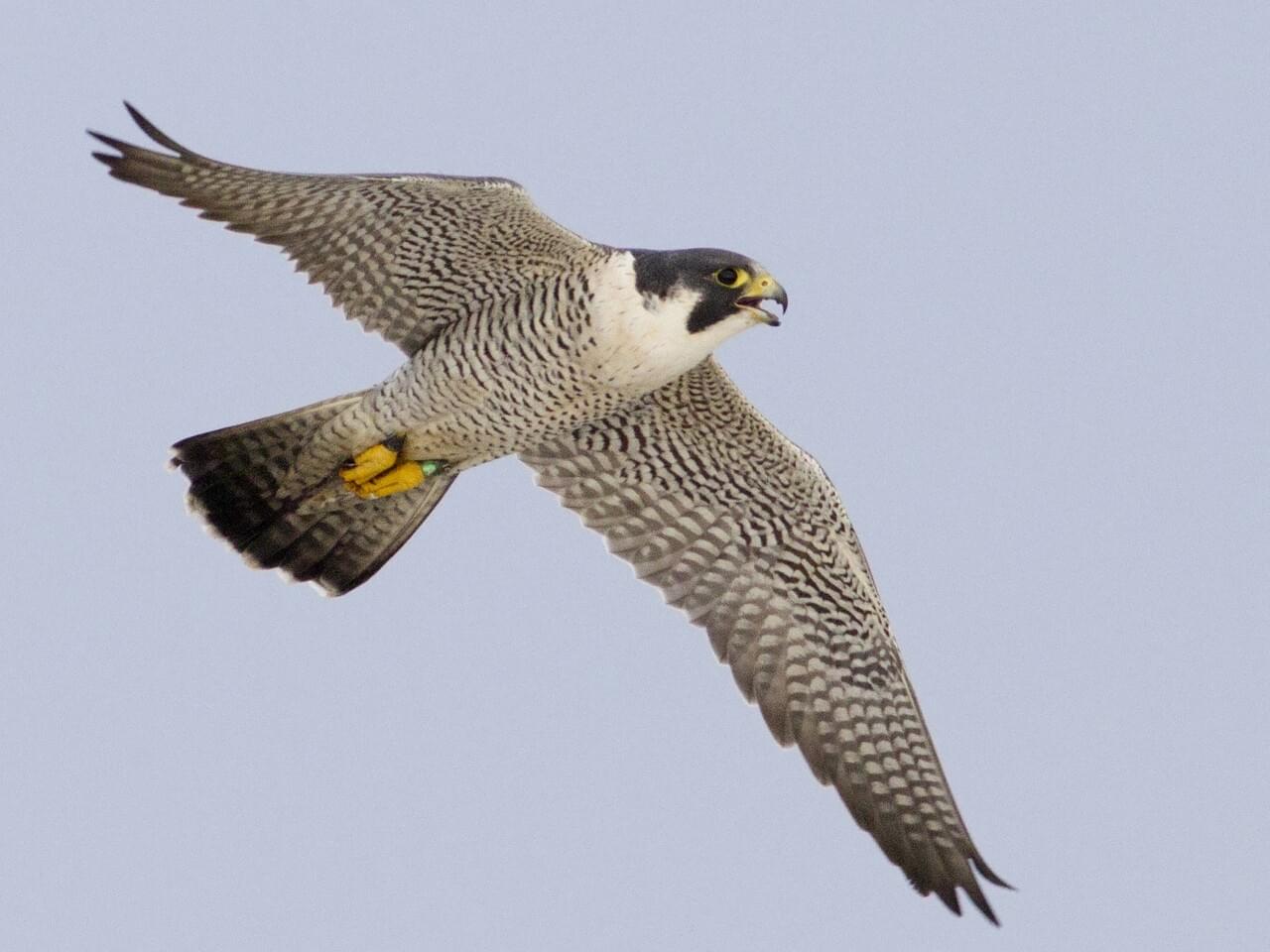
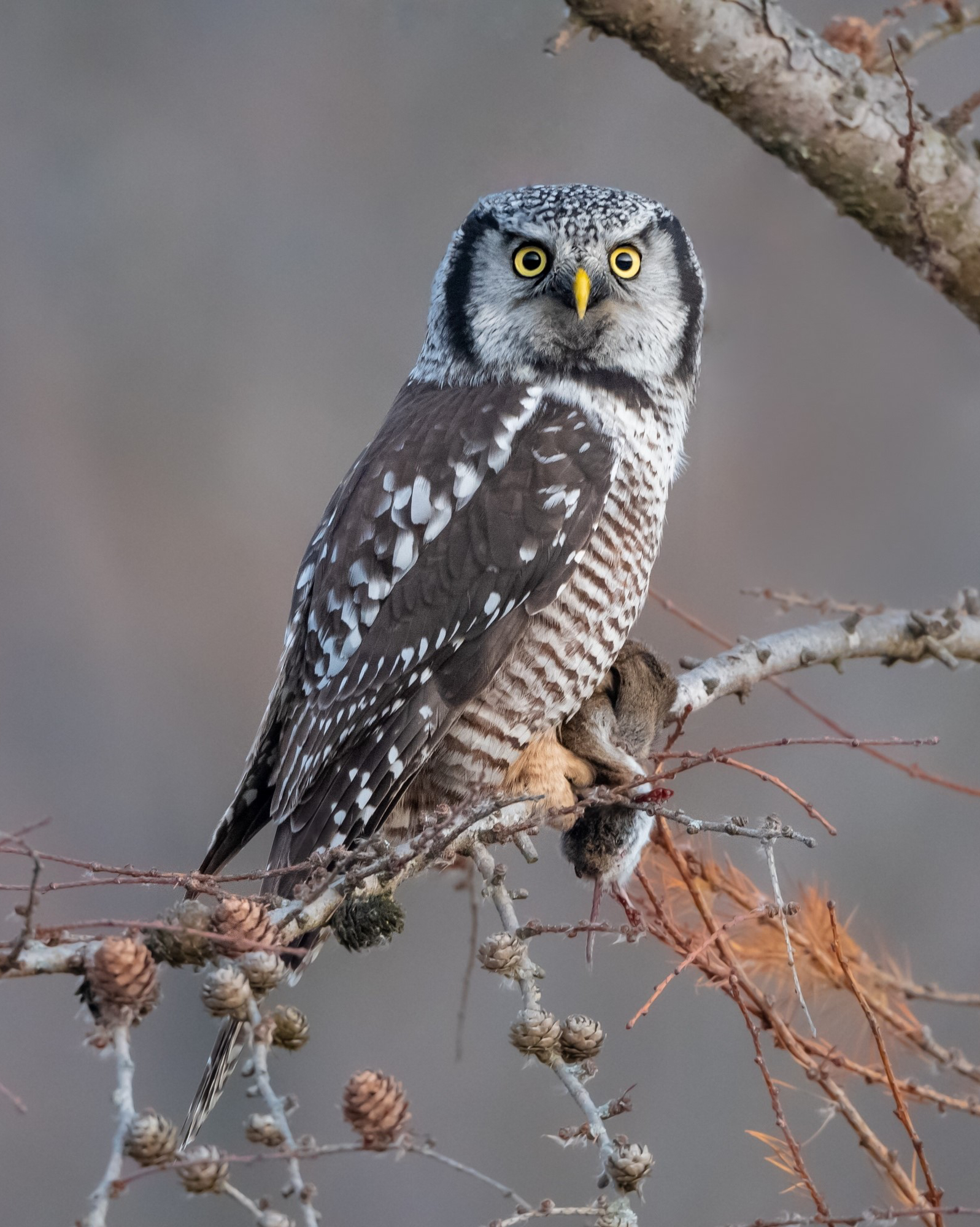
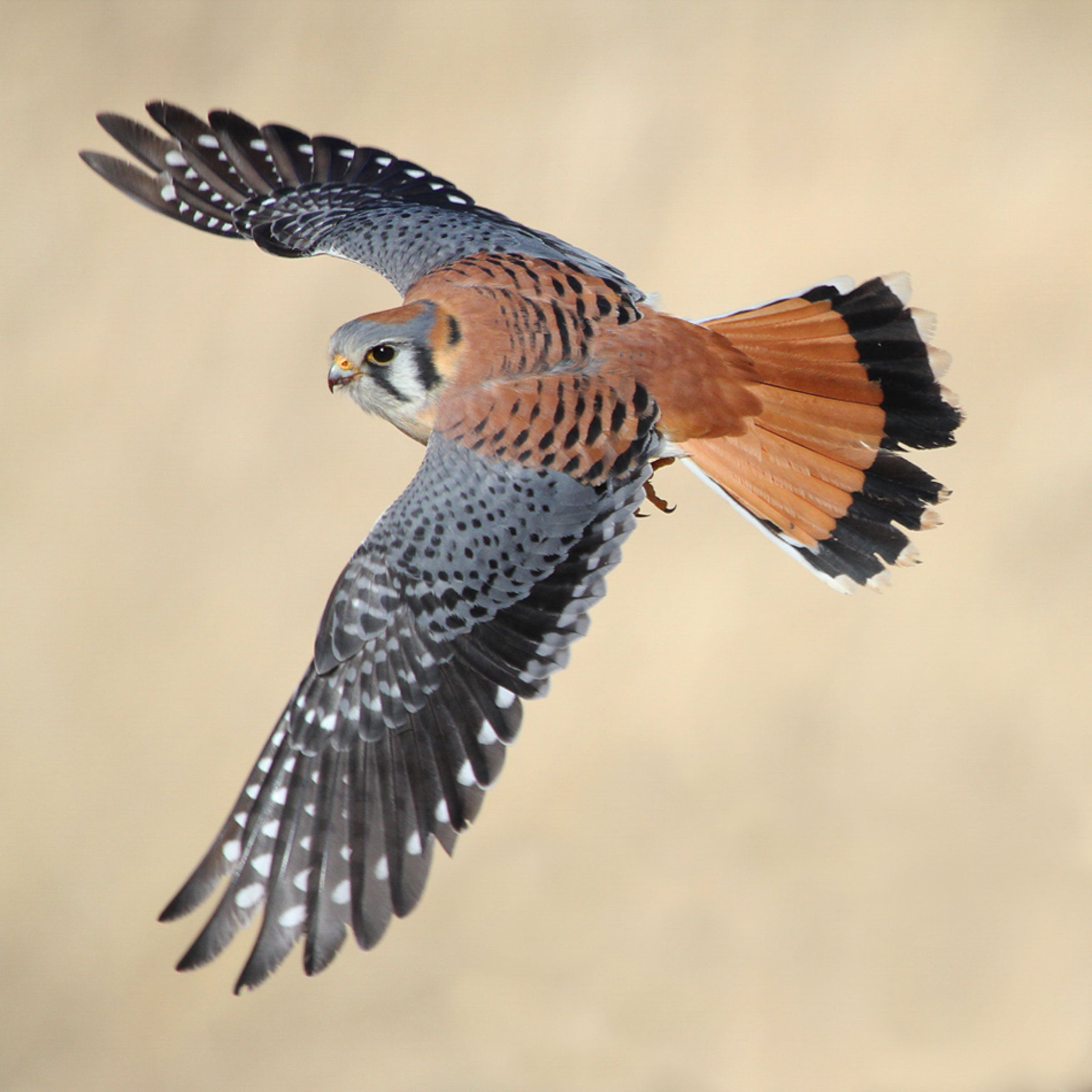
Amazing North American raptors!


Threats They Face

Our native raptors face significant threats due to habitat destruction, pesticide and rodenticide use, and collisions with human infrastructure like vehicles, power lines and buildings.
Roughly 60% - 80% of raptors perish within their first year of life. Natural causes, such as predation, severe weather, and lack of hunting skills/food, do occur. However, man-made threats, such as habitat loss, poisoning, and vehicle/structure collisions, also play a large roll.
Habitat loss from overdevelopment disrupts nesting and hunting territory, leading to population decline for many different species of wildlife. This also creates more opportunity for human/wildlife conflict.
Rodenticide poisoning is a significant cause of death in raptors. Despite claims by pest control companies, there is no “safe” rat poison. Raptors (and other carnivorous wildlife) eat rodents that have consumed rodenticide, and the poison builds up in their systems. A bird can develop internal or external bleeding, seizures, and breathing problems, leading to a slow and painful death. Studies have shown that using rodenticides actually increases rodent populations long term. Rodents are much more prolific than their predators, so a decrease in predators from secondary poisoning leaves the rodents unchecked.
Lead poisoning occurs when a raptors eats prey or carcasses containing fragments from ammunition or fishing tackle. It can cause weakness, weight loss, poor coordination, breathing trouble, seizures, and death. If the poison does not kill the bird, it can impair their ability to hunt and survive. On average, 25-30% of eagles admitted to rehab facilities show some level of lead toxicity.
Collisions with human infrastructure such as, buildings, power lines and vehicles can cause serious injury and death to raptors. Hawks and owls get hit while eating road kill or prey items, such as rodents or other small mammals, that are attracted to the food throw out of vehicle windows. They can also fly into building windows while chasing avian prey.
Photo Credit: Blackland Prarie Raptor Center
How You Can Help
Help protect native raptors by making their habitat safer and reducing common human-caused hazards:
-
Avoid rodent poison. Seal entry points, secure food and trash, and use traps or other non-toxic management methods instead.
-
Choose lead free ammunition and fishing tackle.
-
Keep habitat wildlife-friendly. Plant native species, preserve matures trees where safe, and avoid disturbing nests, especially during breeding season.
-
Reduce collision risks. Keep roadsides and yards free of food scraps that attract prey near traffic, and make windows more visible to birds by using blinds, window decals or other visual markers.
-
Help locally. Volunteer with or donate to reputable raptor rehabilitation or conservation facilities and/or report suspected poisoning or illegal harm to wildlife authorities
If you find an injured raptor, please contact a licensed wildlife rehabilitator immediately.
How to find a rehabilitator:
-
State wildlife agency hotline Most state fish and wildlife departments maintain a 24-hour reporting line that can connect you with the nearest licensed rehabilitator. This is often the fastest and most reliable option. You can find a list of state agencies here: https://www.n-a-f-a.com/page/StateAgencies
-
National Wildlife Rehabilitators Association (NWRA). The NWRA maintains a directory of members searchable by state and species specialization at www.nwrawildlife.org
-
Local animal control. Many animal control agencies have established relationships with wildlife rehabilitators and can facilitate transport of injured raptors.
-
Falconry clubs. State falconry club members often know the rehabilitators in their area personally and can provide direct contact information. You can find a list of state clubs here: https://falconryadvice.com/falconry-associations/
-
Veterinary clinics. Even if a general-practice vet cannot treat raptors, most can stabilize an injured bird and connect you with a rehabilitator.
What to do while waiting for help: Place the bird in a dark, quiet, well-ventilated box lined with a soft towel. Do not attempt to feed it, give it water, or handle it more than necessary. Keep pets and children away. Minimize noise and light. Transport the bird to the rehabilitator or designated drop-off point as soon as possible.

Photo Credit: Phillip Colla